How to Lower Your Electric Bill: 15 Ways That Actually Work
Your electric bill is mostly about a few big loads and a few habits. Here are fifteen ways to cut it, roughly by impact.
1. Tame heating and cooling
HVAC is usually the single biggest load. Set your thermostat a few degrees back when you sleep or leave, and let the season help: 68°F in winter and 78°F in summer are common efficient targets.
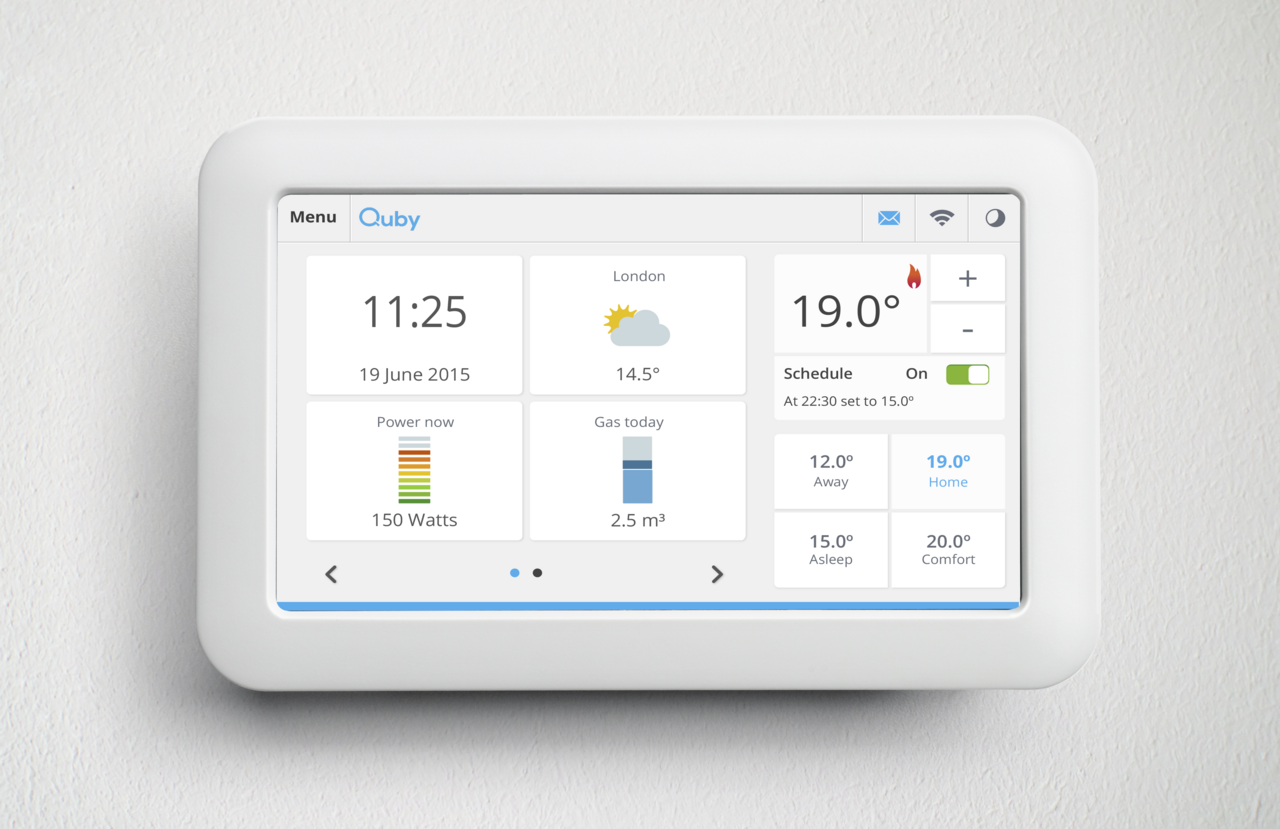
2. Use a smart or programmable thermostat
Automating those setbacks saves 8–15% on HVAC without you thinking about it.
3. Seal and insulate
Air leaks around doors, windows, and attic hatches make your HVAC work harder. Weatherstripping and attic insulation pay back quickly.
4. Shift usage to off-peak hours
If your utility offers time-of-use rates, run the dishwasher, laundry, and EV charging during cheaper off-peak windows. See your state's rates on our electricity pages.
5. Switch to LED lighting
LEDs use about 75% less energy than incandescent bulbs and last far longer.
6. Lower your water heater
Set it to 120°F. Insulate the tank and the first few feet of pipe.
7. Wash smart
Wash clothes in cold water and run full loads. Air-dry when you can.
8. Unplug phantom loads
Electronics and chargers draw power on standby. Smart power strips cut this automatically.
9. Maintain your HVAC
Change filters, clean coils, and get a tune-up. A dirty system uses more power for the same comfort.
10. Upgrade to efficient appliances
When it's time to replace, choose ENERGY STAR models — especially the refrigerator, which runs 24/7.
11. Use ceiling fans
Fans let you raise the AC setpoint a few degrees while staying comfortable. Turn them off when you leave the room.
12. Compare electricity suppliers
In deregulated states (Texas, Ohio, Pennsylvania, Illinois, and others) you can shop for a supplier and often lower the energy portion of your bill.
13. Ask about budget billing and assistance
Budget billing smooths seasonal spikes. If money is tight, ask your utility about assistance programs.
14. Consider solar
Where electricity is expensive and sun is plentiful, solar can erase most of your bill. Check the payback estimate for your state.
15. Do an energy audit
Many utilities offer free or discounted audits that find your specific savings.
Bottom line: start with heating and cooling and a smart thermostat, add efficiency upgrades, and — if you're in a deregulated market — shop your supplier. Then decide whether solar makes sense where you live.
FAQ
What uses the most electricity in a home?
Heating and cooling are usually the biggest, followed by water heating, the refrigerator, laundry, and electronics. Focusing on HVAC gives the biggest wins.
Do smart thermostats really save money?
Yes — by automatically reducing heating and cooling when you're asleep or away, they typically trim 8–15% off HVAC energy use.